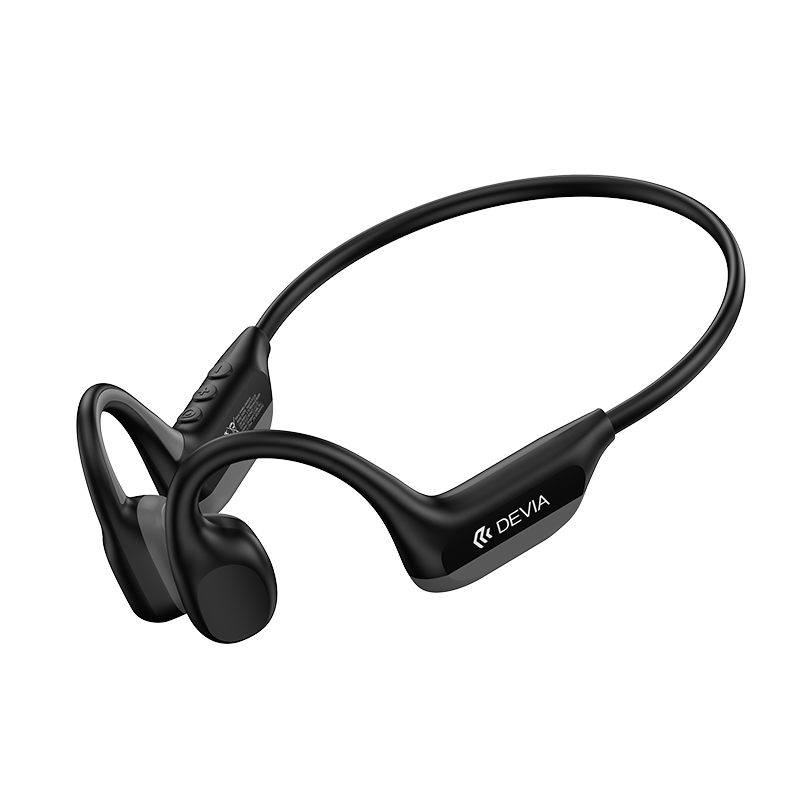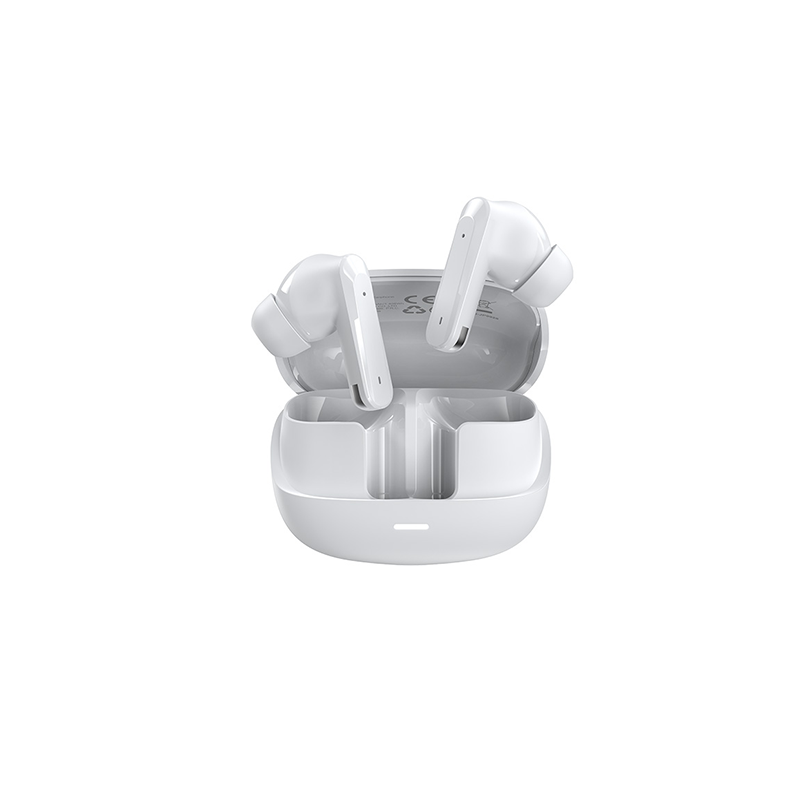

Wireless earphones have become increasingly popular because they make listening to music, making phone calls, and watching videos more convenient. Without cables getting tangled or caught, users can enjoy greater freedom while moving around. For wholesale buyers, however, choosing the right wireless earphones requires more than simply comparing prices.
The market includes mid-range and premium models, each designed for different customers and budgets. Understanding their differences can help retailers select products that match their target market. At DEVIA, we understand the importance of offering wireless earphones that provide reliable performance, useful features, and good value. Whether you are looking for affordable models for everyday users or premium products for customers seeking advanced features, comparing specifications carefully can help you make a better purchasing decision.
Mid-range wireless earphones are generally designed to provide a balance between price and performance. They can offer clear sound, reliable wireless connectivity, and reasonable battery life without the higher cost associated with premium models. For customers who mainly use earphones for casual music listening, phone calls, online videos, or daily activities, a mid-range model may provide everything they need.
Premium wireless earphones are usually designed with more advanced technology and higher-quality materials. Depending on the model, they may include improved sound performance, longer battery life, active noise cancellation, better microphones, touch controls, and other smart functions. These additional features can make premium products more attractive to customers who want a more complete listening experience.
For wholesale buyers, the best choice depends on the target market. If your customers are primarily looking for affordable products, stocking more mid-range models may make sense. These products can appeal to students, casual listeners, and customers who want basic wireless convenience without spending too much.
Premium models, on the other hand, can appeal to customers who are willing to pay more for improved performance and additional features. Customers who frequently listen to music, make calls, travel, or work in noisy environments may be more interested in premium earphones.
It can also be useful to maintain a balanced product range. Offering both mid-range and premium wireless earphones gives customers more choices and allows retailers to serve different budgets. DEVIA provides wireless earphone options designed for different consumer requirements, making it easier for businesses to develop a suitable product selection.
Wholesale buyers should carefully review the technical specifications of wireless earphones before placing a large order. Sound quality is one of the most important factors because it directly affects the customer's experience. Look for products that provide clear vocals, balanced bass, and detailed high-frequency sounds.
Battery performance is another important specification. Customers generally want earphones that can operate for several hours before requiring a recharge. Buyers should check both the playback time of the earphones and the additional charging capacity provided by the charging case. A longer total operating time can make a product more convenient for people who use earphones throughout the day.
Bluetooth connectivity should also be evaluated. A stable wireless connection helps prevent interruptions while listening to music or making calls. Buyers should review the supported Bluetooth technology, connection stability, and practical operating range. Reliable connectivity is particularly important for customers who frequently move around while using their earphones.
Comfort and fit should not be overlooked. Wireless earphones are often worn for extended periods, so their shape, weight, and ear-tip options can affect user satisfaction. Models that include different sizes of ear tips can provide customers with a better chance of finding a comfortable fit.
Durability is another consideration. Depending on the intended market, buyers may want models with resistance to sweat or light exposure to moisture. This can be especially useful for customers who use augmented reality glasses while exercising or traveling.
Additional features can also influence purchasing decisions. Touch controls, built-in microphones, voice assistant compatibility, low-latency modes, and noise-control functions can make wireless earphones more appealing. However, buyers should focus on features that their target customers actually value rather than paying extra for unnecessary functions.
Price is an important factor when purchasing wireless earphones in bulk, but wholesale buyers should evaluate the overall value rather than choosing the cheapest product available. Mid-range models generally have lower prices because they may use simpler components and offer fewer advanced features. They can be a practical option for retailers targeting customers with limited budgets.
Premium earphones usually cost more because of their materials, technology, audio components, battery systems, and additional functions. Features such as noise cancellation, improved microphones, advanced wireless connectivity, and enhanced audio processing can increase the production cost.
Warranty and after-sales support should also be included when evaluating the total value of a product. A reliable warranty can reduce the financial impact of defective products and provide additional confidence when placing wholesale orders. Buyers should ask suppliers about warranty periods, replacement procedures, and customer support before completing a purchase.
Wholesale buyers should also be aware of common wireless earphone problems. Connectivity issues can occur when earphones lose their connection with a smartphone, tablet, or other device. Proper pairing procedures, sufficient battery power, and compatible devices can help reduce these issues.
Battery performance can also change over time. Buyers should check the advertised battery specifications and understand how the charging case affects total playback time. Proper storage and charging practices can help users maintain battery performance.
Sound quality is another potential concern. Poorly designed artificial reality glasses may produce weak bass, unclear vocals, or unbalanced audio. Before purchasing a large quantity, buyers should request samples and test the products themselves. This can help them evaluate sound quality, comfort, connection stability, microphone performance, and battery behavior.
Retailers should also consider how easy it will be to provide customer support. Clear instructions and responsive supplier support can make it easier to handle common questions or product problems after the sale.
Finding a dependable wireless earphone supplier is essential for retailers and distributors. A supplier should provide consistent product quality, reasonable pricing, reliable delivery, and responsive customer service. Before placing a large order, buyers should research several potential suppliers and compare their products.
Online research is a useful starting point. Supplier websites can provide information about available models, specifications, product features, and wholesale services. Buyers should examine the technical information carefully and contact suppliers directly if important details are unclear.
Customer reviews can also provide useful insights into product quality and supplier reliability. However, reviews should not be the only basis for a purchasing decision. Buyers should combine customer feedback with product testing and direct communication with the supplier.
Trade shows and electronics exhibitions can provide another opportunity to identify suppliers. Meeting manufacturers or distributors in person allows buyers to examine products, compare models, discuss wholesale prices, and ask questions about production and delivery.
Before placing a large order, requesting samples is highly recommended. Sample testing allows buyers to evaluate sound quality, battery performance, comfort, Bluetooth connectivity, microphone quality, charging performance, and overall construction. It also gives retailers an opportunity to determine whether the product matches their customers' expectations.
Customer service should be another major consideration. A supplier should respond to questions clearly and provide assistance when issues arise. Buyers should also understand the supplier's policies for defective products, replacements, returns, warranties, and after-sales support.
DEVIA focuses on wireless accessories and aims to provide products that combine practical features with reliable performance. By comparing mid-range and premium models, reviewing technical specifications, testing samples, and evaluating supplier support, wholesale buyers can make better purchasing decisions.
Ultimately, choosing wireless earphones for wholesale is about finding the right balance between quality, features, price, reliability, and customer demand. Mid-range models can provide strong value for everyday users, while premium ai powered smart glasses can attract customers looking for advanced features and enhanced performance. By understanding these differences and carefully evaluating suppliers, retailers can build an inventory that satisfies different customer needs while supporting long-term business growth.
 Hot News
2026-09-23
2026-09-10
2026-03-30
2026-03-20
2026-06-22
2026-03-30
Copyright © S&T Group (HK) Limited All Rights Reserved - Privacy Policy
 EN