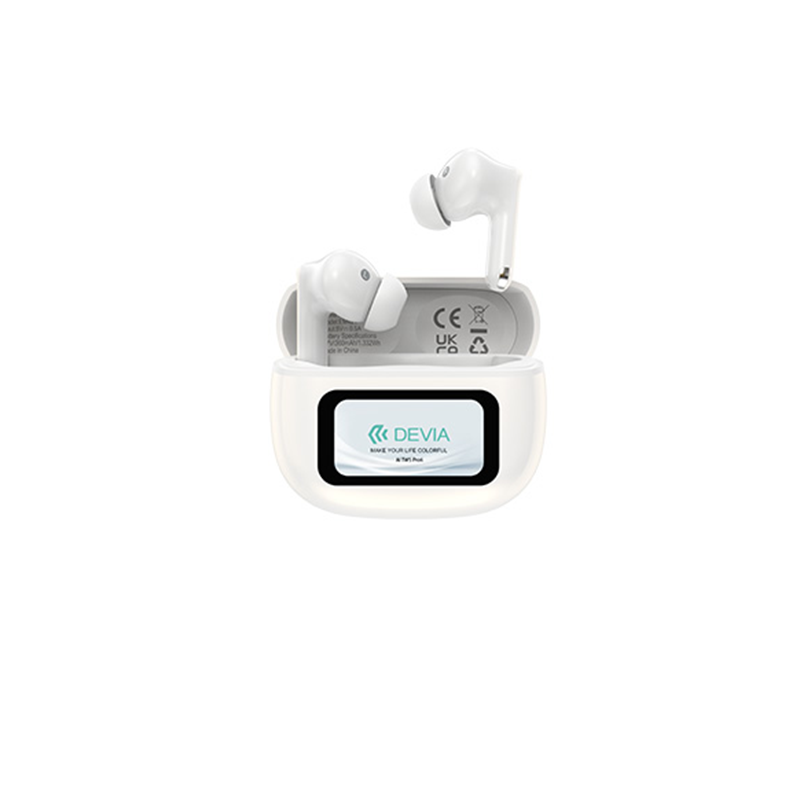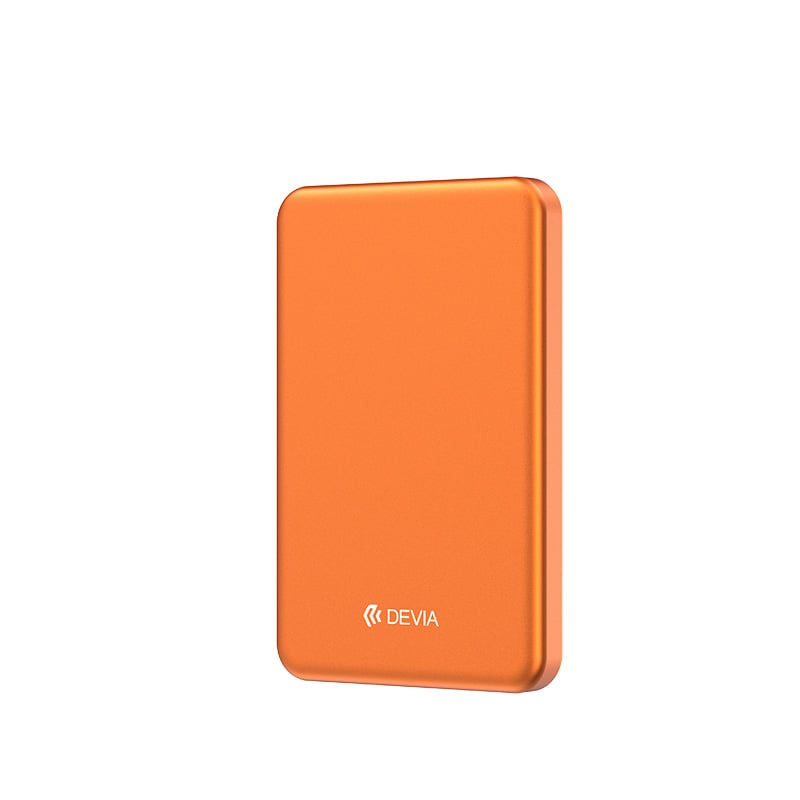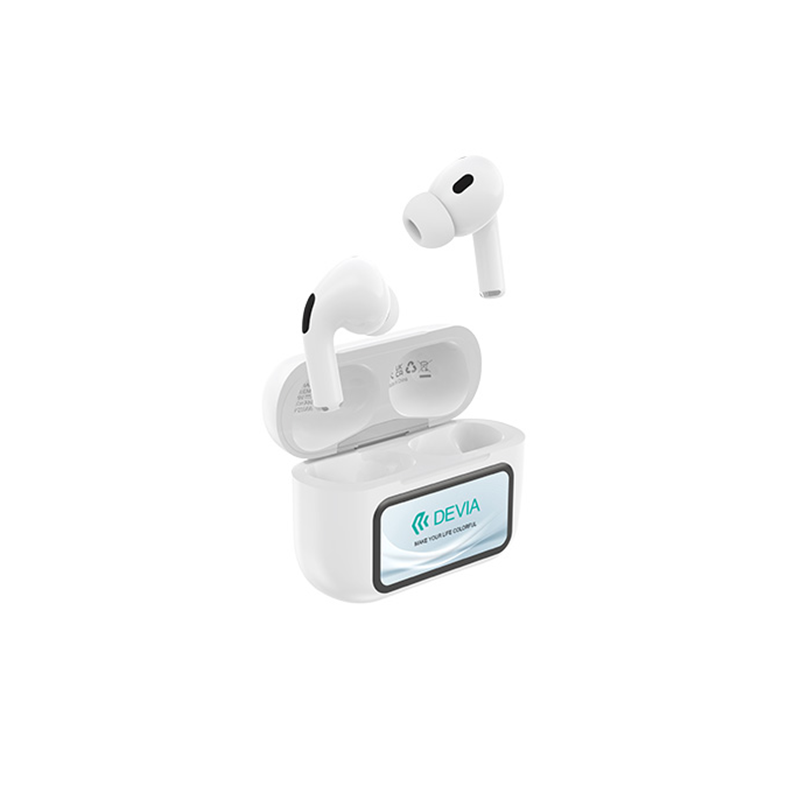

Power banks are handy devices that help us charge our phones and tablets when we're on the go. With many brands and types available, it’s important to know which ones are safe to use, especially if you plan to buy them in bulk for a business. When you choose a power bank, like the ones from DEVIA, you want to ensure they meet safety standards. This article will help you understand what to look for in power bank safety certifications and why solid-state power banks are a smart choice for anyone in wholesale.
When you are picking a power bank, checking its safety certifications is super important. Safety certifications are like badges that show the product has been tested and is safe to use. Different countries have different standards, but look for well-known certifications like UL, CE, and RoHS. UL is a big certification in the United States, which means the product has gone through strict testing. CE is important in Europe, showing that the product meets European safety rules. RoHS certification ensures that the power bank does not contain harmful materials.
You should also make sure that the power bank has protection features. For example, it should have overcharge protection, which stops charging once the device is full. There should be short-circuit protection, too, which prevents damage if there is a sudden failure. These extra features can save your devices from harm and can also protect users from potential accidents.
Another thing to keep in mind is the battery technology used in the power bank. Lithium-ion batteries are common, but they can be risky if not made correctly. Solid-state batteries, like those in some DEVIA intelligent glasses, are safer. They use a solid electrolyte instead of a liquid one, which reduces the chances of leaks or fires. Look for power banks that clearly state the type of battery they use and the safety measures in place. Reading reviews and customer feedback can also help you understand how safe a power bank is.
Choosing solid-state power banks is a wise decision for anyone looking to purchase in bulk. Solid-state power banks, like those from DEVIA, have several advantages that make them safer than traditional power banks. One major benefit is their design, which uses solid materials instead of liquid. This means they are less likely to leak or explode. Explosions are very rare with solid-state batteries, making them a safer option for everyone.
Another reason solid-state power banks are great is their longer lifespan. They can endure more charge cycles compared to regular lithium-ion batteries. This means they can be used more times before they start to lose their ability to hold a charge. For businesses, this is important because it means happier customers who don’t have to replace their power banks as often.
Additionally, solid-state power banks often charge devices faster. This is important for busy people who need to quickly power up their phones before heading out. A fast charge means less waiting and more time to enjoy using devices.
Finally, with safety being a top concern, DEVIA focuses on making solid-state power banks that meet strict safety standards. Each product goes through tough testing to ensure it is safe for users. When you buy solid-state smart glasses, you can feel good knowing you are providing a reliable product to your customers. By choosing solid-state power banks, you are not just selling a product; you are promoting safety and quality.
If you want to know about safety testing for solid-state power banks, many good resources can help you. One of the best places to start is the internet. Websites like government pages and safety organizations give a lot of helpful information. For example, the Consumer Product Safety Commission (CPSC) website has guidelines about what makes a power bank safe. They tell you what tests power banks should pass before they can be sold. Another good resource is the International Electrotechnical Commission (IEC). They set standards for electronic devices, including power banks. By looking at their guidelines, you can learn what safety tests are important.
You might also want to check out blogs and articles from experts in electronics. Websites like DEVIA, which focuses on high-quality tech products, often share safety tips and advice for choosing the right power banks. They can explain complicated ideas in easy ways, making it simple for anyone to understand. Additionally, you can find videos online that show how safety tests are done. Watching these videos can help you see the process in action, which can be very useful. Don't forget about local libraries! They have books and magazines that discuss electronics and safety testing. You can find lots of valuable information there as well. Finally, talking to people who know about smart glasses with camera can be very helpful. This could be friends, family, or professionals in the field. They can share their experiences and guide you to the best resources. By using these different sources, you can gather all the information you need to keep power banks safe.
When it comes to solid-state power banks, there are a few common safety concerns that you should know about. One major worry is overheating. Power banks can get hot, especially when they are charging or discharging. If they get too hot, they can damage the battery or even catch fire. It’s essential to choose a power bank that has good heat management systems to prevent this problem. Another concern is short-circuiting. This happens when the electrical current flows where it shouldn't, which can cause sparks or fires. Good power banks have built-in protections to avoid short circuits.
Battery life is also a big issue. Many people want their power banks to last a long time, but if a power bank is made with low-quality materials, it can stop working sooner than expected. DEVIA ensures that their power banks are made with high-quality batteries that last longer and provide reliable power. Additionally, you should be aware of counterfeit products. Some sellers try to sell fake power banks that look real but do not meet safety standards. Using these can be very dangerous. Always buy from trusted brands like DEVIA to ensure you are getting a safe product.
Lastly, improper use of power banks can lead to safety issues. For example, using a power bank with devices it was not designed for can cause problems. Make sure to read the instructions carefully. By understanding these common safety concerns, you can make better choices when selecting a solid-state power bank.
When you are looking for suppliers of solid-state power banks, it is essential to verify that they meet safety standards. This process can help you avoid dangerous products. First, ask your supplier for their certifications. A good supplier will have proof that their power banks meet safety regulations. Look for certifications from recognized organizations, such as UL or CE. These labels show that the product has been tested and is safe to use.
Next, you should check the supplier's reputation. Look for reviews from other customers to see if they had good experiences. If many people trust a supplier, it is a good sign that their products are safe. You can also reach out to previous customers and ask them about their experiences with the supplier’s power banks. Another useful step is to request samples of the power banks. You can test these samples yourself to see if they work correctly and feel safe.
Finally, consider visiting the supplier's facility if possible. This way, you can see how the power banks are made and learn more about their quality control processes. A trustworthy supplier will be open to this. At DEVIA, we believe in transparency and would be happy to show you how we ensure the safety and quality of our power banks. By taking these steps, you can feel confident that the solid-state power banks you source are safe and reliable for your customers.
 Hot News
2026-09-23
2026-09-10
2026-03-30
2026-03-20
2026-06-22
2026-03-30
Copyright © S&T Group (HK) Limited All Rights Reserved - Privacy Policy
 EN
EN